
Last Updated: November 17, 2026
Quick Summary
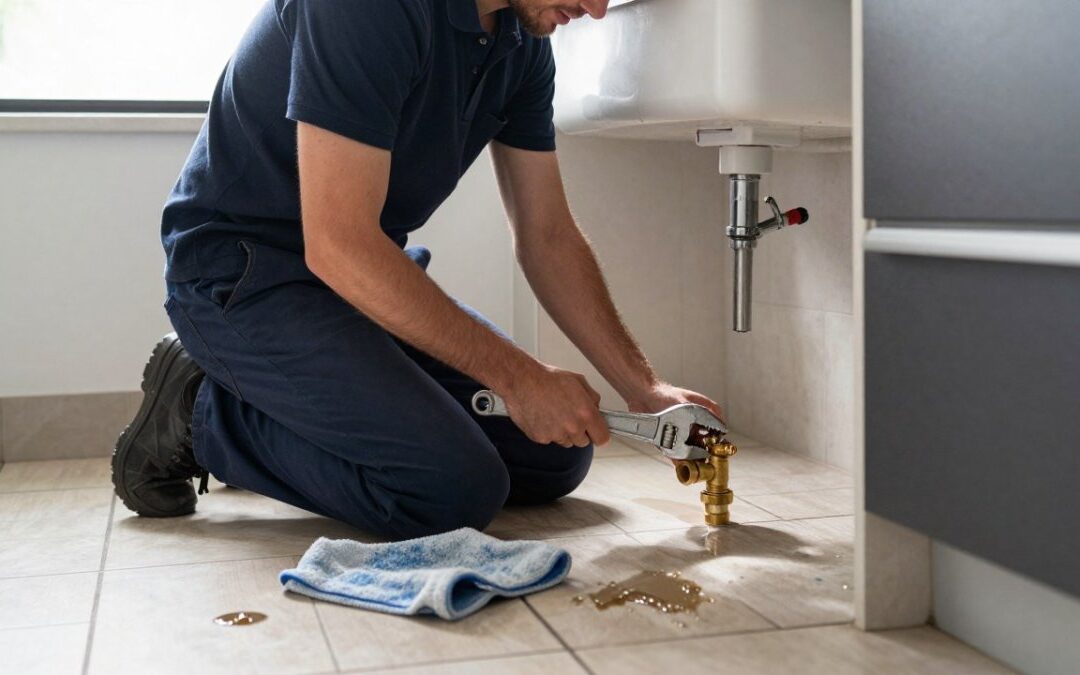
Emergency plumbers come to problems that cause immediate damage, health risks or loss of essential services, such as a burst pipe, a gas smell, a sewer backup or a failed hot water system. Expect a visit that confirms the fault, isolates the water, diagnoses the cause and then either makes a temporary or permanent repair. Call-out fees, after-hours rates and parts are usually billed separately, so ask for a written quote first.
- Treat water flowing into walls or floors, gas smells, sewage and total loss of water as emergencies.
- Turn off the main water valve first, then move valuables and place buckets or towels under drips.
- A good plumber tests the repair under pressure and explains whether it is temporary or permanent.
- Ask whether the call-out fee applies once per visit or per job, and when the after-hours rate starts.
- Get the quote, parts, warranty and final cost confirmed in writing before the plumber leaves.
Table of Contents
- What Qualifies as a Plumbing Emergency
- Common Plumbing Emergencies at Home and What Causes Them
- What to Do Before a Plumber Arrives
- What Happens When an Emergency Plumber Arrives
- Emergency Plumbing Call-Out Fees and Hourly Rates Explained
- Renters, Landlords and What Happens After the Immediate Repair
- Booking Your Emergency Plumber With A2Z Plumbing
- Frequently Asked Questions
What Qualifies as a Plumbing Emergency
When a pipe bursts at 11 pm, most people want an emergency plumber within the hour. Emergency plumbers are called for problems that can cause immediate damage, health risks or loss of essential services, and knowing which problems qualify helps you act quickly and avoid paying for a visit you did not need.
A plumbing emergency is any fault that is causing, or is about to cause, serious water damage, a safety hazard or the loss of hot water or sanitation. Examples include a burst pipe, a gas smell, a sewer backup into the home and a failed hot water system that leaves the household without water. A dripping tap, a slow drain or a running toilet can usually wait for a scheduled visit during business hours.
A Quick Decision Guide: Emergency or Can It Wait?
Ask these three questions before you call:
- Is water flowing, pooling or spreading into walls, floors or ceilings? If yes, treat it as an emergency.
- Can you smell gas, or is there sewage in the house? If yes, leave the area and call straight away.
- Has all water or hot water stopped, with no other cause in the home? If yes, it needs prompt attention.
If none of these apply, the problem can usually be booked for a standard appointment. Many people find it useful to take a photo of the fault and note when it started, which helps the plumber assess the urgency before arriving.
Common Plumbing Emergencies at Home and What Causes Them
Most emergencies come from a small number of causes. Pipes can split from age, freezing or pressure changes. Tree roots and grease build-up commonly block drains and sewer lines. Hot water systems fail when elements, valves or tanks wear out. Knowing the usual cause helps you describe the problem clearly when you call.
Burst pipes often follow a period of corrosion or a sudden pressure surge. Blocked drains usually build up gradually before they overflow. Water heater failures tend to show warning signs such as rusty water, rumbling noises or lukewarm showers. Watching for these early signs can turn a late-night emergency into a planned repair.
What to Do Before a Plumber Arrives
Acting quickly in the first few minutes can limit damage and keep you safe while you wait. Start by turning off the water at the main water valve, which is usually near the water meter or where the supply enters the home. If the leak is at a single fixture, closing that fixture’s isolation valve may be enough.
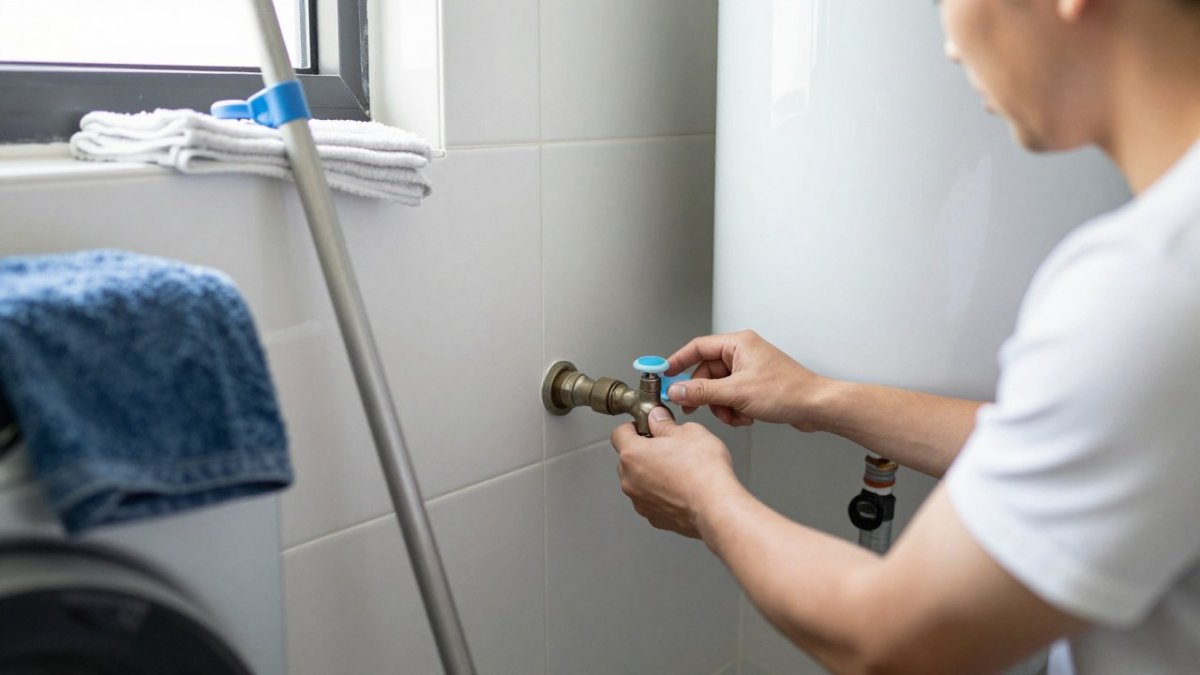
Next, move valuables, rugs and furniture away from the water and place towels or buckets to catch drips. If the problem involves an electrical appliance, switch off power to it at the switchboard, but do not touch wet wiring or outlets. For more on preparing for a visit, see What to Do Now: 24/7 Emergency Plumber Wanneroo, which explains the immediate steps in more detail.
Gas Smells, Sewage and Electrical Hazards
Some situations are dangerous enough that you should not attempt repairs yourself. If you smell gas, open windows and doors, leave the building, avoid switches and flames, and call your gas supplier’s emergency line from outside (Gas emergencies). Sewage is a health risk, so keep children and pets away from it, wear gloves if you must handle items, and wash thoroughly afterwards. Water near power points should be treated as an electrical hazard, so cut power at the switchboard before going near it.
What Happens When an Emergency Plumber Arrives
An emergency visit follows a fairly predictable sequence, and knowing it helps you judge whether the plumber is working methodically or cutting corners.
Arrival and confirmation. The plumber should introduce themselves, confirm the address and the fault you reported, and ask what changed and when. This is where a photo or a note of the start time helps.
Isolation and containment. Before diagnosing, the plumber confirms the water is off at the main or the relevant isolation valve and checks that the flow has actually stopped.
Temporary versus permanent repair. In an emergency, the priority is stopping damage and restoring essential services.
Testing and handover. Once the repair is done, the plumber should test it under pressure or flow, check the surrounding area for new leaks, and confirm that hot water, drainage or gas supply is working as intended.
What to Ask Before the Plumber Leaves
Before the visit ends, confirm four things: whether the repair is temporary or permanent; what caused the fault and whether it is likely to recur; what the final cost is against the quote you were given; and what documentation you will receive. If a follow-up visit is needed, get the scope and an estimate in writing. This is also the point to ask about warranty terms on the parts and labour, since warranty periods vary by provider and by the type of work.
After the Immediate Repair
An emergency fix is often the first step rather than the last. Ask for a written record of the work, the parts used and any warranty, and arrange a follow-up inspection if the underlying cause, corroded pipework, root intrusion, a failing tank, has not been fully addressed. Keep these records for insurance claims and future maintenance. If you rent, send the record to your landlord or property manager promptly; if you own, file it with your maintenance history so the next plumber can see what was done and when.
Emergency Plumbing Call-Out Fees and Hourly Rates Explained
Emergency pricing is usually built from several components, and understanding each one helps you compare quotes.
Call-out fee. This covers the trip and the initial assessment. Ask whether the fee applies to your visit and whether it is charged once or per visit.
Parts. Ask whether parts are itemised on the invoice and whether you can supply your own part, and whether a part you supply is covered by the warranty.
Additional charges. Additional charges such as equipment use or after-hours surcharges may apply. Ask which of these apply to your job before work starts, not after.
Quote terms. Ask whether a quote is fixed or an estimate, and get any scope change agreed in writing before extra work begins.
Questions to Ask Before Booking
Before agreeing to a job, ask: Is the quote fixed or an estimate? What is the after-hours rate and when does it apply? Is the call-out fee included in the quote or charged on top? Are parts itemised, and are they warranted? How long is the plumber expected to take, and what is the arrival window? Is GST included? What is the payment method and when is payment due? Getting these answers in writing, even by text or email, gives you a record if the final invoice differs from the quote. For a checklist on spotting and avoiding hidden plumbing service fees before you book, see our guide.
How to Compare Quotes Fairly
Comparing emergency plumbing quotes fairly means comparing the total cost for the same scope, not the headline call-out fee. Ask each provider to quote on the same description of the fault, and check whether the quote includes parts, GST, disposal and any follow-up visit. A provider who quotes a higher call-out fee but a lower hourly rate may be cheaper for a long job and more expensive for a short one. If a quote seems unusually low, ask what is excluded. For a closer look at how these charges are structured, read How to Compare Emergency Plumbing Call-Out Fees Before You Pay.
Emergency quotes are usually built from several components, so it helps to know what each one covers before you compare providers.
| Charge | What it covers | Question to ask |
|---|---|---|
| Call-out fee | The trip and initial assessment | Is it charged once per visit or per job? |
| Hourly labour rate | Time on site | When does the after-hours rate start? |
| Parts | Materials used in the repair | Are parts itemised and warranted? |
| Additional charges | Equipment use or after-hours surcharges | Which apply before work starts? |
| Quote terms | Scope and final cost | Is the quote fixed or an estimate? |
Renters, Landlords and What Happens After the Immediate Repair
An emergency fix is often the first step rather than the last. Tenants should report faults to the landlord or property manager promptly, and keep records of the call, the visit and any photos taken. Landlords and property managers are generally responsible for repairs to the plumbing that is not caused by the tenant, and it helps to understand these duties before a crisis occurs. For a fuller overview, see 7 Landlord Plumbing Duties Every Rental Owner Should Know.
After the repair, ask for a written record of the work, the parts used and any warranty. If the problem may return, arrange a follow-up inspection to confirm the underlying cause has been addressed. Keeping these records helps with insurance claims and future maintenance decisions.
Booking Your Emergency Plumber With A2Z Plumbing
A2Z Plumbing offers 24 hours a day, 365 days a year emergency availability, courtesy calls before arrival and guaranteed work across water, sanitary, drainage and gas services. Our owner holds an unrestricted plumbing contractor’s licence and a high-level gas fitter’s licence.
If you have an emergency now, call us on 0421 799 060 and we will talk you through the next steps while we confirm arrival time. For planned work, the same team can provide a quote before any job starts.
Frequently Asked Questions
What constitutes a genuine plumbing emergency?
A genuine plumbing emergency is any problem that poses an immediate risk to people or property, or leaves the home without an essential service. Examples include a burst pipe or major water leak, a blocked drain or sewer backup flowing into the home, a gas leak or smell of gas, a failed hot water system that is leaking, and no water supply at all. Slow drips, a dripping tap or a minor blockage in a single sink usually can wait for a standard booking. When in doubt, shut off the water at the main valve and call, because a licensed plumber can assess the risk quickly. If you smell gas, leave the property first and call the emergency gas line from outside.
How much does an emergency plumber cost in AUD?
A2Z Plumbing has not published a fixed price list for this article, so pricing depends on the job, the time of day and the materials needed. A2Z Plumbing does not charge a call-out fee during office hours. For an accurate figure before work starts, ask for the call-out fee, the hourly rate and any parts costs in writing, and request a fixed quote where possible. Visit the A2Z Plumbing website or call 0421 799 060 for current pricing and a quote for your situation.
What should I do while waiting for an emergency plumber to arrive?
Start by turning off the water at the main valve to limit damage, and switch off the power to affected appliances if water is near them. For a gas smell, leave the property, avoid switches and flames, and call the emergency gas line from outside. Move valuables, rugs and furniture away from water, place towels or buckets under drips, and take photos of the problem for your records and any insurance claim. Keep the plumber’s arrival window in mind and make sure someone is available to let them in.
Are emergency plumbing services available 24/7?
A2Z Plumbing offers emergency availability 24 hours a day, 365 days a year. A2Z Plumbing also provides a courtesy call before arrival so you know roughly when to expect the plumber. Call 0421 799 060 at any time to book an emergency visit.
