
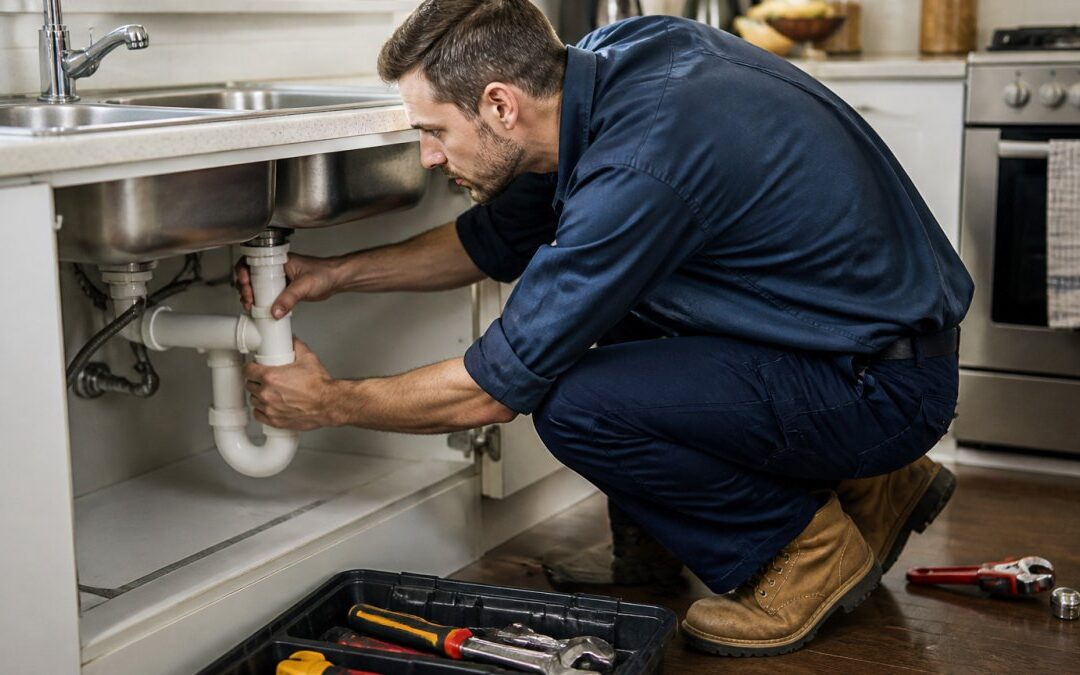
Last Updated: November 2, 2026
Quick Summary
Landlords generally pay for repairs to the building’s plumbing system, such as worn pipes, failed hot water systems and corroded fittings, while tenants pay for damage they cause through misuse or neglect. Check your lease and local tenancy rules, and keep dated photos and invoices for every job. Responsibility for rental property plumbing usually depends on cause, fixture age and whether the tenant contributed.
- Worn pipes, failed hot water systems and corroded fittings are typically the owner’s cost.
- A blocked drain caused by hair, nappies or cooking fat is often the tenant’s responsibility.
- Tenants who delay reporting a small leak may be liable for the extra water damage.
- Gas appliances must be installed and serviced by a licensed gas fitter.
- Run each drain and inspect taps, toilets and under-sink areas at every routine check.
Table of Contents
Plumbing is one of the most common problems landlords deal with. For most rental owners, the question is not whether a leak or blocked drain will happen in their rental property plumbing, but who pays when it does. Because leaks and blocked drains are among the common maintenance issues landlords face, knowing how they fit into broader property upkeep can help owners plan repairs and clarify responsibilities.
As a general rule, the landlord pays for repairs to the building’s plumbing system, and the tenant pays for damage they cause. Whether a landlord or a tenant pays usually comes down to cause, age of the fixture and whether the tenant’s conduct contributed. Worn pipes, failed hot water systems and corroded fittings are typically the owner’s cost. A blocked drain caused by hair, nappies or cooking fat is often the tenant’s.
Check your lease and the tenancy rules that apply to your state or territory before you agree to anything. Keep dated photos and invoices for every job, because they will settle most disputes.
Tenant vs Landlord Plumbing Responsibilities: Where the Line Sits
The dividing line is rarely about the pipe itself. It is about whether the problem comes from normal wear or from misuse. Landlords are generally responsible for keeping the system in good working order, which includes fixing leaks, restoring hot water and keeping drainage clear of problems that are not the tenant’s fault.
Tenants are generally responsible for reporting problems promptly and for avoiding damage. Pouring grease down a sink or flushing inappropriate items can create a blockage that falls on the tenant. Where a tenant delays reporting a small leak until it causes water damage, responsibility for the extra damage can shift.
Watch out: a tenant who reports a slow drain late may be partly liable for the resulting water damage, so act on early reports quickly.
Minimum Plumbing Standards Your Rental Must Meet
Before a tenant moves in, the property should have working hot and cold water, functioning taps, a toilet that flushes properly, and drainage that clears under normal use. Check the water pressure, the hot water system and any shower or bath seals. Leaks around taps and under sinks should be fixed before handover.
Gas appliances, including gas hot water systems and cooktops, must be installed and serviced by a licensed gas fitter. If you are unsure whether your property meets the current requirements, ask a licensed plumber to inspect it and note the results in writing.
Plumbing Maintenance Checklist for Landlords
Routine checks catch small faults before they become expensive, and a regular review of your rental property plumbing is the simplest way to keep costs down. Work through this list at each inspection:
Call us today on 0421 799 060 →
- Check every tap and toilet for drips or running water
- Look under kitchen and bathroom sinks for damp or stains
- Test hot water temperature and recovery time
- Run each drain and note any slow clearing
- Inspect external gutters and downpipes for blockages
- Confirm the hot water system is in good condition and has no leaks
- Check the pressure relief valve on the hot water system
- Record the date, findings and any work completed
Quarterly and Annual Inspection Points
Each quarter, check taps, toilet cisterns and visible pipework for leaks, and run drains through to confirm they clear. Once a year, have a licensed plumber inspect the hot water system, check the pressure relief valve and look at the condition of pipe joints and fittings. Annual checks are also the right time to flush the hot water system if your water supply is hard.
Handling Urgent Plumbing Repairs in a Rental Property
Some plumbing problems cannot wait. A burst pipe, a sewage backup or a gas leak needs immediate action. Turn off the water supply at the main, or isolate the gas, and call a licensed professional straight away. A2Z Plumbing offers 24/7 emergency availability across Perth’s northern suburbs, so an after-hours call is not a barrier.
Once the emergency is contained, document everything with photos and written notes. This protects you if the insurer, tenant or agent asks questions later.
Can a Tenant Be Charged for Plumbing Repairs?
Yes, but only where the tenant caused the damage or the problem resulted from their misuse or neglect. A tenant cannot normally be charged for repairs caused by ageing infrastructure, a fault in the building or ordinary wear and tear. Keep records showing the cause before you deduct anything from a bond or send an invoice.
Booking a Plumber for Your Next Rental Maintenance Visit
When you book, ask for a written quote and confirm the price before work starts. Check that the plumber is licensed for the work involved and whether any gas work will be carried out. A2Z Plumbing provides courtesy calls before arrival, so you know when to expect a plumber. If you want to see what a hot water system service involves, see our hot water system services page.
For urgent gas problems, learn how to find a qualified provider in our guide to finding an emergency gas fitter in Joondalup. If an after-hours failure has already happened, our 24/7 emergency plumber guide for Wanneroo explains the immediate steps to take. Before you commit to a quote, read about avoiding hidden plumbing service fees and visit our website for current prices or a quote.
Frequently Asked Questions
Are landlords responsible for plumbing repairs in rental properties?
Generally yes. Under Australian residential tenancy laws, which vary by state and territory, landlords must keep the property in a reasonable state of repair and meet minimum standards, including working plumbing and hot water. Repairs caused by normal wear and tear, ageing fixtures or faults in the building are typically the landlord’s cost. Tenants remain responsible for damage they cause, such as blockages from misuse. Check your state’s tenancy regulator for the exact obligations that apply to your property.
How often should plumbing be inspected in a rental property?
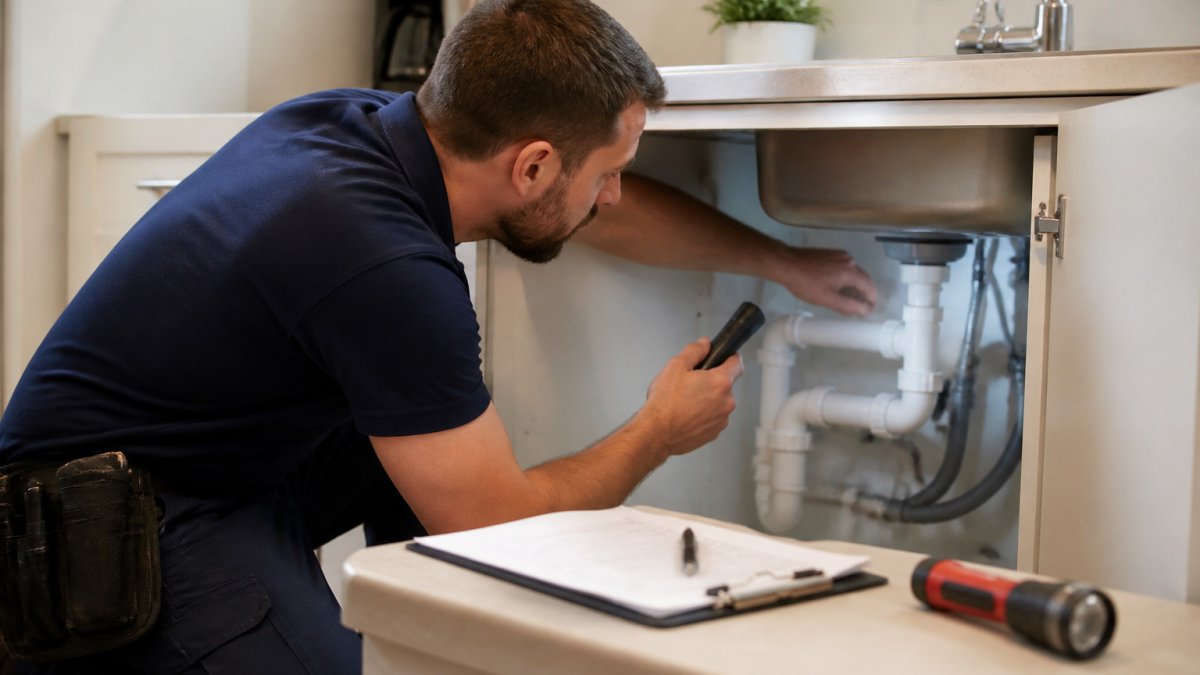
There is no single national rule for inspection frequency, but a routine inspection at least once a year is a sensible baseline, with checks at each change of tenancy. Look for slow drains, dripping taps, running toilets, water pressure changes, staining under sinks and signs of leaks around the hot water system. Recording findings with dated photos protects both you and the tenant and makes it easier to spot developing problems early.
What constitutes an urgent plumbing repair in a rental?
Urgent repairs are those that affect health, safety, security or the basic use of the home. Examples include a burst or leaking pipe causing water damage, a blocked or overflowing sewer, no hot water, a toilet that cannot be used, or a gas leak. These should be attended to promptly, often within 24 hours, rather than waiting for a routine appointment. Non-urgent issues such as a slow drip or cosmetic tap wear can usually be scheduled within a normal timeframe.
Can a tenant be charged for plumbing repairs?
A tenant can be charged only for damage they caused beyond normal wear and tear, such as blocking a drain with non-flushable items or failing to report a leak promptly so it worsened. Landlords cannot pass on the cost of ageing fixtures or faulty installations. If you are unsure, document the condition at the start of the tenancy and keep receipts, since clear records make disputes far easier to resolve through your state’s tenancy tribunal.
