
Quick Summary
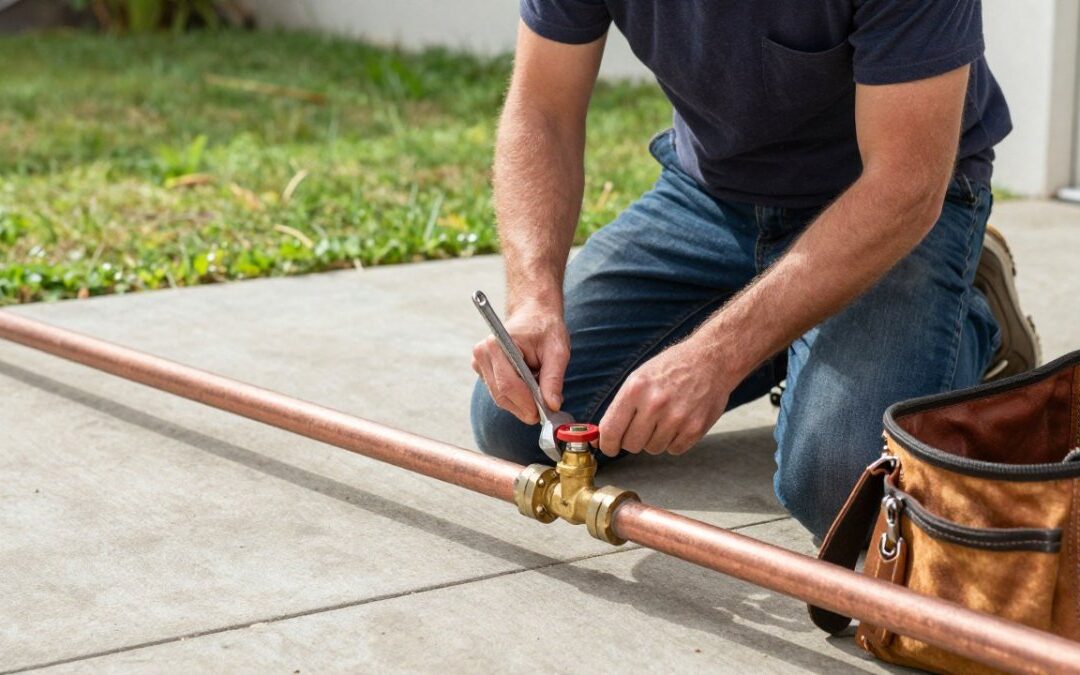
Gas fitting compliance means that all gas appliance and pipework work is done by a licensed fitter, passes leak testing, and is documented with a compliance certificate or work record. Requirements vary by state and territory, so confirm the regulator’s rules for your property before any job.
- Check the fitter’s licence number and confirm it on your state or territory’s official register before work starts.
- Ask for a compliance certificate or work record showing the licence number, the date and the leak test result.
- Notifiable work must be reported to the regulator, and skipping notification can leave the certificate invalid.
- Keep compliance records for the life of the installation plus the regulator’s minimum period, and store digital copies.
- If you smell gas, leave the building, avoid switches and flames, and call your gas distributor from outside.
Table of Contents
- Why Gas Fitting Safety and Compliance Matter
- How to Verify Gas Fitter Licence Before Work Starts
- State and Territory Rules, Licensing and Notification Requirements
- Gas Fitting Compliance Certificates and Inspection Records
- Gas Appliance Safety Checklist for Homes and Rentals
- Gas Leak Signs and What to Do
- Booking Your Next Gas Safety Check With A2Z Plumbing
- Frequently Asked Questions
Why Gas Fitting Safety and Compliance Matter
Last Updated: November 21, 2026
Gas fitting safety and compliance is the set of rules, licences and checks that keep gas appliances and pipework working safely in your home.
Gas is safe when it is installed correctly and maintained properly. Carbon monoxide has no smell or colour, so a faulty appliance can cause harm without any obvious warning sign (Carbon monoxide technical fact sheet).
Compliance is the paper trail that proves the work was done to the required standard. It usually includes a licensed fitter’s work record and, where required, a certificate of compliance.
The most common failures we see include:
- Appliances connected by unlicensed people who do not know the clearance or ventilation rules
- Gas lines that were never leak-tested after work
- Flues that were disconnected during a renovation and never reconnected
Watch out: if you smell gas, do not operate switches, phones or appliances in the room.
How to Verify Gas Fitter Licence Before Work Starts
Before any gas work begins, check that the person doing it holds a current gas fitting licence issued in your state or territory. Ask for their licence number and confirm it with the licensing authority in your state.
Here is a simple way to check:
- Ask the fitter for their full name and licence number.
- Look up the licence on your state or territory’s official occupational licensing register.
- Confirm the licence class matches the work being done. Some classes cover only certain appliance types.
- Check that the business name on the invoice matches the licence holder.
If a fitter cannot or will not provide their licence details, do not go ahead. A quote from an unlicensed person may look cheaper, but any faulty work will be your responsibility, and your insurer may refuse to pay for resulting damage.
State and Territory Rules, Licensing and Notification Requirements
Gas fitting is regulated by each state and territory rather than by a single national regulator, so the exact rules depend on where the property is.
| Jurisdiction | Primary regulator(s) | Notification and certificate pattern |
|---|---|---|
| New South Wales | SafeWork NSW (gas fitting licensing); NSW Fair Trading (plumbing and drainage) | Licensed work; compliance certificate issued for notifiable gas work, with notification to the regulator |
| Victoria | Energy Safe Victoria | Licensed gas fitting; certificate of compliance and, for some work, a gas installation notice lodged with the regulator |
| Queensland | Queensland Building and Construction Commission (licensing); Petroleum and Gas Inspectorate (safety) | Licensed work; gas work compliance certificate and notification for notifiable work |
| Western Australia | Building and Energy (Department of Mines, Industry Regulation and Safety) | Licensed gas fitting; notice of completion and certificate of compliance for notifiable work |
| South Australia | Consumer and Business Services (licensing); Office of the Technical Regulator (safety) | Licensed work; certificate of compliance and notification of notifiable work |
| Tasmania | Consumer, Building and Occupational Services | Licensed gas fitting; certificate of compliance for notifiable work |
| Australian Capital Territory | Access Canberra | Licensed work; certificate of compliance and notification requirements |
| Northern Territory | NT WorkSafe (licensing and safety) | Licensed work; certificate of compliance and notification requirements |
Across most jurisdictions, the common requirements are:
- A licensed gas fitter must carry out the installation, alteration, disconnection or testing of gas appliances and pipework.
- Certain categories of work, typically new installations, alterations to consumer piping, appliance replacements and commissioning of Type A appliances, must be notified to the relevant regulator, usually by the licensed fitter before or shortly after the work.
- A certificate of compliance, work record or notice of completion is issued once the work passes testing, and a copy is given to the owner.
The practical implication is that a requirement in one jurisdiction may not apply in another.
Watch out: notification is often the step that gets skipped on small jobs such as a cooktop swap or a flue alteration.
Before any significant job, confirm three things with the regulator for that jurisdiction: whether the work is notifiable, which certificate or notice applies, and how long the records must be kept. Keep a dated copy of the regulator’s guidance with the job file so the requirement you relied on can be demonstrated later.
Gas Fitting Compliance Certificates and Inspection Records
A gas fitting compliance certificate is the document that confirms the installation, alteration or repair meets the required safety standard. It is normally completed by the licensed fitter after testing and given to the owner, and in some jurisdictions lodged with the regulator.
Ask for the following on every job:
- The compliance certificate or work record, with the licence number and licence class clearly shown
- The date of the work, the address and the appliances or pipework affected
- Confirmation that a gas leak test was carried out and passed, with the test method and result noted
Inspection records matter too. If the property has had a safety check, file the report alongside the compliance certificate.
What to retain, and for how long
Retention periods are set by the regulator in each jurisdiction and are commonly several years, so the safe approach is to keep gas records for the life of the appliance or installation plus the regulator’s minimum period, whichever is longer. A practical record set for each job is:
- The compliance certificate or notice of completion
- The leak test and commissioning results
- Appliance approval or certification details for the model installed
Keep copies digitally as well as in paper form, because originals get lost during moves and paper fades. Name files by address, date and appliance so they can be produced quickly during an audit or a sale.
Audit readiness
An audit or an insurer’s investigation usually turns on whether the documentation can be produced quickly and whether it matches the work actually done. A simple audit-ready file has the certificate, the test results, the notification reference and the photographs in one place, indexed by date. If any of those are missing, the work may be compliant in fact but unprovable on paper.
Common errors and corrective actions
- Certificate issued without a leak test recorded, have a licensed fitter re-test and issue a corrected record.
- Notification not lodged for notifiable work, contact the regulator, explain the omission and follow their process to regularise it.
- Appliance installed without checking approval or certification, verify the model against the approval database and replace if unapproved.
Watch out: a certificate that does not match the work performed, wrong appliance, wrong address or missing test results, is worse than no certificate in an insurance dispute, because it suggests the work was never properly verified. Correct it rather than filing it.
Gas Appliance Safety Checklist for Homes and Rentals
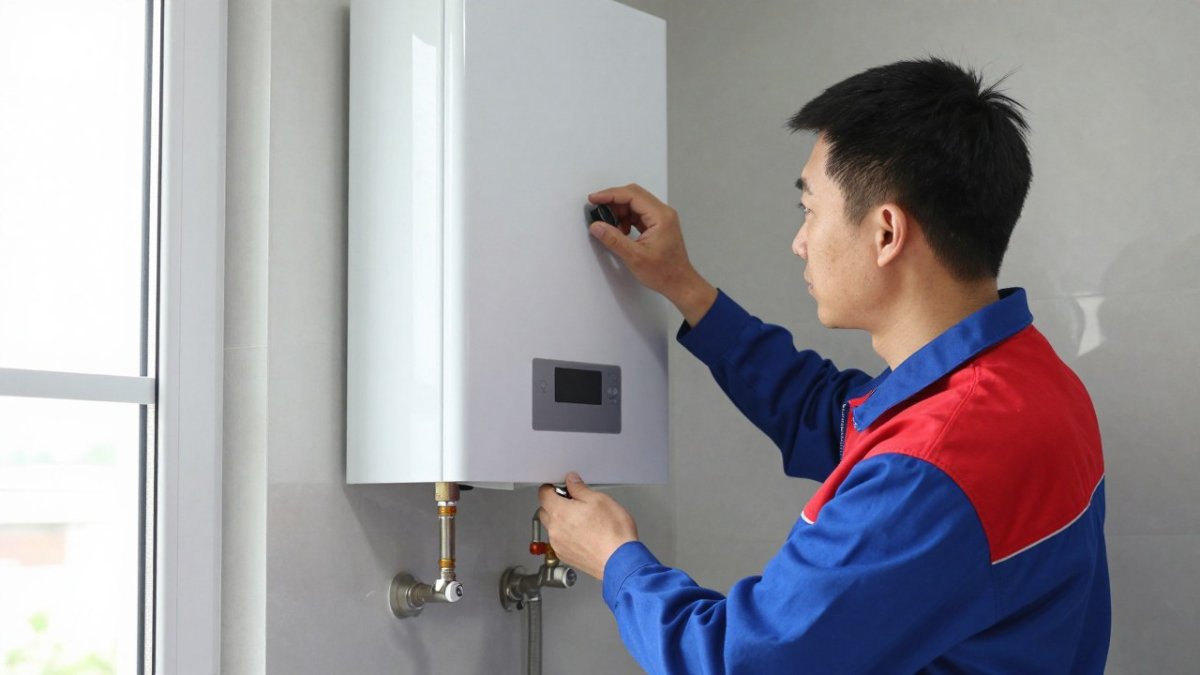
A regular safety check is the most practical way to catch problems early. Use this checklist for each gas appliance in your home or rental property:
- Flame is steady and blue, not yellow or flickering
- Flue or vent is clear of obstructions, nests or debris
- Appliance has adequate ventilation and is not boxed in
For rental properties, landlords should record each check with the date and fitter’s licence number. Tenants should report any gas smell, unusual flame colour or appliance fault immediately, not at the next scheduled inspection.
Some checks, such as flue testing and pipework pressure tests, need a licensed fitter with the right equipment. Do not attempt these yourself.
Gas Leak Signs and What to Do
The most recognisable sign of a gas leak is a rotten egg smell, because natural gas has an odour added so leaks can be detected.
If you suspect a leak:
- Do not switch lights, power points or electrical appliances on or off.
- Do not use a phone or flame inside the building.
- Open doors and windows to ventilate, then leave the property.
- Shut off the gas supply at the meter or isolation valve if it is safe to reach.
- Call your gas distributor or emergency services from outside.
- Do not re-enter until you are told it is safe.
Once the situation is under control, have a licensed gas fitter inspect the entire system before gas is restored. A fitter must find and repair the cause, carry out a leak test and issue the appropriate documentation.
Booking Your Next Gas Safety Check With A2Z Plumbing
If your appliances are due for a check, or you want a licensed fitter to verify your system, book a gas safety check with A2Z Plumbing. For a broader view of whether these checks are worth the cost, our article Are Gas Appliance Safety Checks Worth It in Perth? explains what they cover.
To confirm a licence before we start, see how to verify a gas fitter licence step by step. If you are facing a suspected leak outside business hours, find an emergency gas fitter in Joondalup and check what to do first. For a clear idea of costs before you commit, see our emergency plumber rates in Perth.
We are a family-owned business with an unrestricted plumbing contractor’s licence and a high-level gas fitter’s licence, and we send a courtesy call before arrival. Call us today on 0421 799 060.
Frequently Asked Questions
How can I check whether a gas fitter is licensed?
Ask for the gas fitter’s licence number and check it against the licensing authority for your state or territory. Each jurisdiction runs its own licensing register, so confirm the licence class covers the work being done, such as gas fitting for domestic or commercial appliances. Keep a copy of the licence details with your job records. A licensed gas fitter will provide these details without hesitation, and any reluctance is a warning sign.
What gas fitting work must be done by a licensed gas fitter?
Installing, altering, repairing, disconnecting or commissioning gas pipework and gas appliances generally requires a licensed gas fitter in every Australian state and territory. Work typically includes connecting new appliances, replacing gas hot water systems, adding gas points and testing for leaks. Some minor work may be exempt in certain jurisdictions, so check the rules that apply where the property is located before assuming a task is allowed without a licence.
Do I need a compliance certificate after gas fitting work?
In most Australian jurisdictions, gas fitting work must be documented with a certificate of compliance or equivalent record once the job is finished and tested. The certificate records what was done, the tests performed and the licensed person responsible. Keep it with your property records, as it may be requested when you sell or lease the property, or if an insurer or regulator asks about the work later.
What should a gas safety inspection include?
A thorough inspection checks the appliance connection, flue or ventilation, clearances from combustible materials, the isolation valve and signs of gas leakage. The fitter should also carry out a pressure or line test where appropriate and confirm the appliance is approved for the gas type in use. Ask for written findings so you have a record of any defects and the recommended corrective actions.
How often should gas appliances be checked?
Gas appliances should be serviced and inspected regularly, and always after any repair, relocation or sign of a fault. Many manufacturers specify a service interval in the appliance manual, and rental properties often require inspections at set intervals under tenancy obligations. Your gas fitter can advise a schedule based on the appliance type, age and how heavily it is used.
What should I do if I smell gas?
Leave the area immediately, avoid operating switches, flames or electrical devices, and open doors and windows on the way out if it is safe to do so. Once outside and at a safe distance, call your gas distributor’s emergency line or triple zero (000). Do not attempt repairs yourself. Only return inside when emergency services or a licensed gas fitter confirms it is safe.
What are the safety requirements for LPG appliances?
LPG appliances need correct cylinder connection, adequate ventilation, and clearances from walls and combustible materials as set out in the relevant Australian standards. Cylinders should be stored upright, outdoors or in well-ventilated areas away from ignition sources. Only licensed gas fitters should install or modify LPG pipework and appliances, and the work should be documented in the same way as natural gas installations.
How can I tell whether a gas appliance is approved for use?
Look for an approval or certification mark and the appliance’s data plate, which should show the gas type, rated input and approval details. Approved appliances are designed for specific gas types, so an appliance set up for natural gas must not be used on LPG without conversion by a licensed fitter. If the data plate is missing or unreadable, have a licensed gas fitter inspect the appliance before use.
