
Last Updated: October 25, 2026
Quick Summary
Professional drain cleaning removes buildup before it causes damage to your pipes, your home, and your wallet. Using high-pressure equipment or mechanical methods, it restores full water flow and prevents the costly repairs that follow blockages.
- Slow drainage, unpleasant odours, and gurgling sounds are early warning signs that professional drain cleaning is needed.
- The process includes inspection, diagnosis, cleaning with snaking or hydro jetting, and post-service verification of restored flow.
- Older pipes, high-use households, and properties with mature trees near the sewer line benefit from annual professional cleaning.
- Professional drain cleaning costs a fraction of emergency pipe repairs, water damage fixes, and mould remediation.
- Preventing recurring blockages requires using drain covers, avoiding grease disposal, and monthly hot water flushes.
Table of Contents
- Why Professional Drain Cleaning Matters for Your Home
- Preventing Blockages and Restoring Water Flow
- Understanding the Professional Drain Cleaning Process
- How to Recognise Signs of a Blocked Drain Early
- Protecting Your Pipes and Avoiding Costly Repairs
- How Often to Clean Drains Professionally
- Preventing Recurring Drain Blockages
- Schedule Your Professional Drain Cleaning Today
- Frequently Asked Questions
Why Professional Drain Cleaning Matters for Your Home
A blocked drain doesn’t just slow your water flow, it’s a warning sign that something needs attention. When you ignore early symptoms, small problems become expensive emergencies. Professional drain cleaning removes buildup before it causes damage to your pipes, your home, and your wallet.
At A2Z Plumbing, we see the same pattern repeatedly: homeowners wait too long. They use chemical drain cleaners, hope for the best, and end up calling us when water backs up into their bathroom or kitchen. By then, the damage is often more severe than it needed to be.
The reality is straightforward. Your drainage system works under pressure. Hair, grease, soap scum, and waste accumulate on pipe walls over time. That buildup narrows the space water can flow through. Eventually, it blocks completely.
We’ve linked to information on preventative plumbing maintenance from the Master Plumbers Association to help you understand why regular care matters. The benefits extend beyond just avoiding emergencies, they protect your entire system.
Preventing Blockages and Restoring Water Flow
Slow drains are your first signal that blockages are forming. Water drains sluggishly from the sink, shower, or bath. You notice pooling water around your feet in the shower. These aren’t minor inconveniences, they’re your drainage system telling you it’s struggling.
Professional drain cleaning uses high-pressure equipment to blast away buildup clinging to pipe walls. This restores the full diameter of your pipes, allowing water to flow freely again. The process is thorough: it removes grease, hair, soap scum, and other debris that chemical cleaners can’t touch.
The difference between a partially blocked drain and a fully cleared one is immediate. Water drains in seconds instead of minutes. Your shower doesn’t back up. Sinks empty properly. This improved water flow is one of the most noticeable benefits homeowners experience after professional cleaning.
Understanding the Professional Drain Cleaning Process
Professional drain cleaning isn’t a mystery. Understanding what happens during the process helps you appreciate why it works better than DIY methods, and it lets you ask better questions when you book a service.
A typical visit follows four stages: inspection, diagnosis, cleaning, and post-service verification. Each stage matters, and skipping any of them is a warning sign that the work is being rushed.
Inspection. Your plumber begins with a visual check of accessible fixtures and, where needed, a CCTV drain camera inspection.
Diagnosis. Once the cause is known, your plumber selects a method suited to the pipe material, age, and condition. Not every method suits every pipe, and a good plumber will explain the choice before starting.
Cleaning. The main methods are:
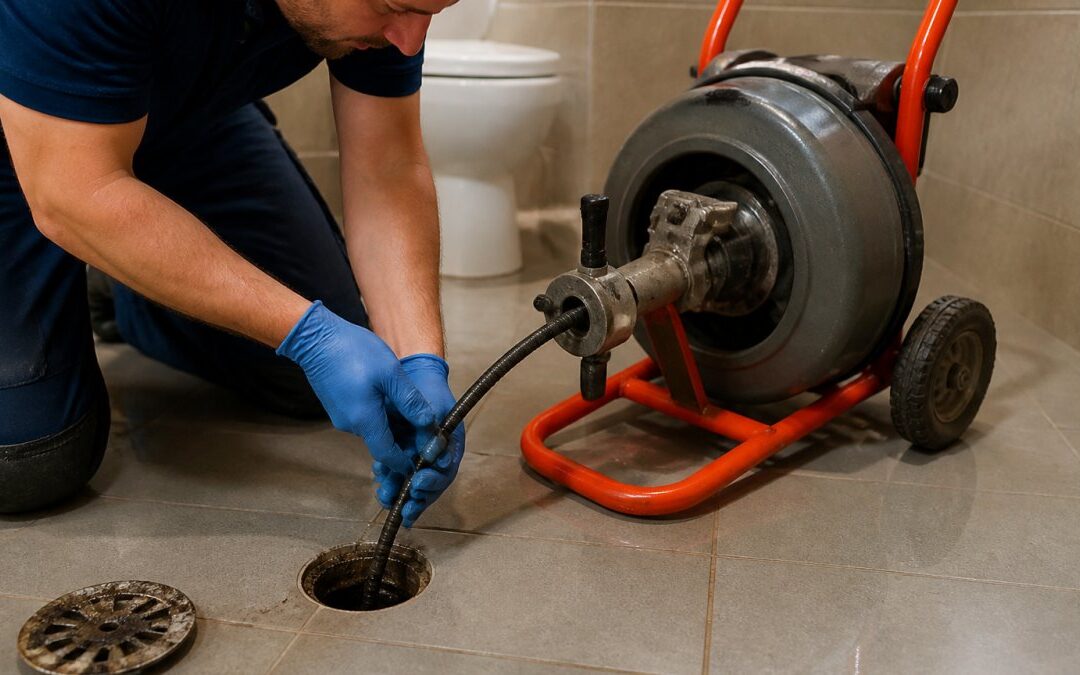
- Drain snaking (mechanical cleaning). A rotating cable or auger breaks through blockages and can clear roots and solid obstructions. It’s effective for localised blockages and is generally gentler on older or fragile pipes.
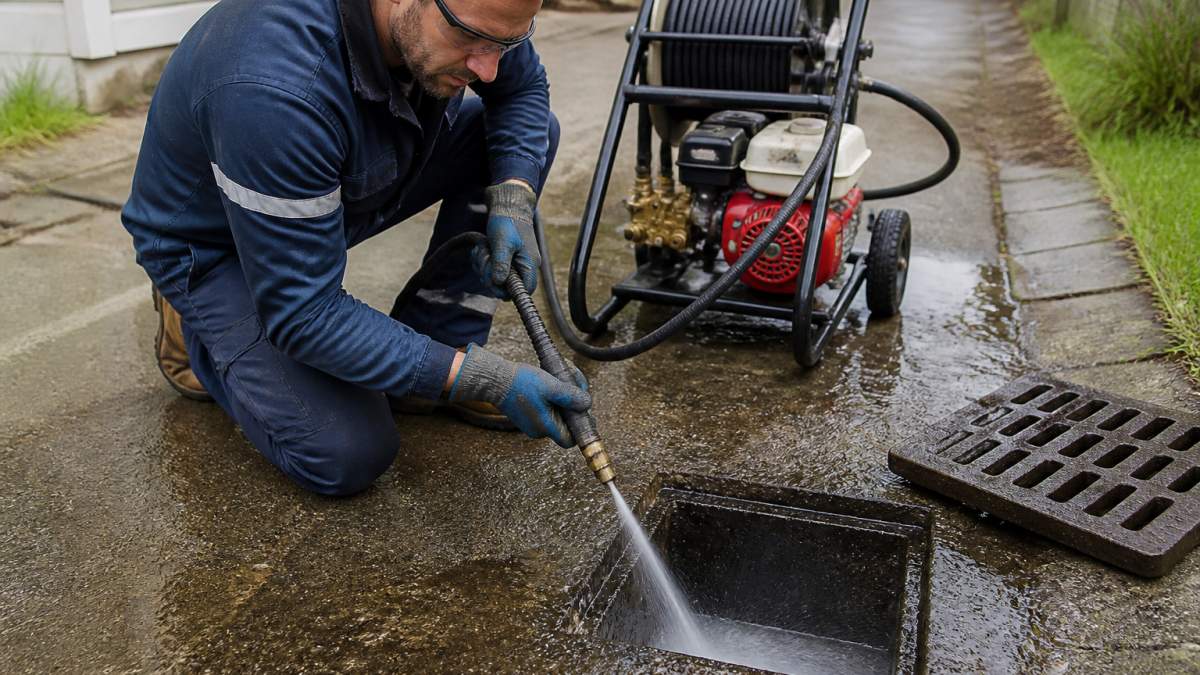
- Hydro jetting. A high-pressure water jet scours the full internal circumference of the pipe, removing grease, soap scum, and sediment that a snake can miss. It restores the pipe’s full diameter but is typically avoided where pipes are cracked, jointed with weak seals, or already deteriorated, because the pressure can worsen existing damage.
- Enzyme or biological treatment. These break down organic matter slowly and are best used as maintenance between mechanical cleans, not as a remedy for a full blockage.
Post-service verification. After cleaning, your plumber should confirm flow is restored, check for signs of damage exposed by the clean, and advise on whether a follow-up or preventative schedule is warranted.
Chemical drain cleaners are corrosive and can damage pipe walls, seals, and joints over time. Never mix different chemical cleaners, and never use them after a mechanical clean without flushing the line first, the reaction can be hazardous. If a chemical cleaner hasn’t worked, stop and call a professional rather than adding more.
This expertise, matching method to pipe condition and verifying the result, is what separates professional work from guesswork.
How to Recognise Signs of a Blocked Drain Early
Catching drain problems early means you avoid emergencies. Here are the warning signs that professional drain cleaning is needed:
Slow drainage is the first indicator. Water takes longer than usual to drain from sinks, showers, or baths. This happens before complete blockages form, it’s your opportunity to act.
Unpleasant odours coming from drains suggest waste and organic matter are accumulating. These smells indicate buildup is present and decomposing inside your pipes.
Gurgling sounds from your drains mean air is trapped in the system. This typically happens when water can’t flow freely past an obstruction.
Water backing up into other fixtures is a serious sign. If water from one drain appears in another, your main sewer line may be blocked. This requires professional attention immediately.
Recurring blockages mean the underlying problem hasn’t been solved. If you keep plunging the same drain, something deeper is wrong. Chemical cleaners might clear one blockage temporarily, but they don’t address the root cause.
You can learn more about common reasons to call a plumber, which covers these warning signs in detail.
Protecting Your Pipes and Avoiding Costly Repairs
Blockages don’t just cause inconvenience, they damage your pipes. When water can’t flow, pressure builds inside your drainage system. This pressure stresses pipe joints, seals, and the pipe walls themselves.
Over time, this stress causes leaks. Water seeps out where pipes connect or where corrosion has weakened the material. Once leaks start, water damage spreads. It saturates the soil around your foundation, damages floors and walls, and creates conditions for mould growth.
Call us today on 0421 799 060 →
Professional drain cleaning removes the blockage before this damage occurs. By restoring proper water flow, you eliminate the pressure that damages pipes. Your drainage system operates as designed, without stress or strain.
The cost of professional drain cleaning is a fraction of what you’ll spend repairing burst pipes, replacing damaged sections, or fixing water damage to your home. One emergency repair often costs more than several years of preventative cleaning.
How Often to Clean Drains Professionally
The frequency of professional drain cleaning depends on your household and your pipes’ condition. There’s no single answer that fits every situation, but you can build a sensible schedule by weighing a few risk factors.
Pipe age and material. Older properties with clay, cast iron, or ageing PVC pipes accumulate scale and are more prone to root intrusion, so annual inspection and cleaning is a common recommendation.
Trees and landscaping. If large trees sit near your sewer line, roots can find their way into joints.
Grease exposure. Households that cook frequently and pour fats, oils, and grease down the sink build up residue faster. Kitchens in these homes often need more frequent attention than bathrooms.
Household size and usage. More bathrooms, more showers, and more occupants mean more hair, soap, and sediment entering the system. High-use households should lean toward annual cleaning.
Prior blockages. If you’ve had a blockage in the past two years, the underlying cause may not have been fully resolved. Recurring blockages are a signal to schedule a camera inspection and a maintenance clean rather than waiting for the next backup.
As a practical guide:
- Annual: older pipes, mature trees near the line, high-use households, or a history of blockages.
- Every two to three years: newer pipes, low usage, no prior issues.
- As advised after inspection: any property where a camera inspection reveals scale, roots, or early damage.
The best approach is to ask your plumber during a service call. They can assess your pipes and recommend a cleaning schedule based on what they find.
Preventing Recurring Drain Blockages
Once your drains are professionally cleaned, you want to keep them that way. Prevention is far easier than dealing with repeated blockages.
Watch what goes down your drains. Hair is the biggest culprit in bathrooms. Use drain covers to catch it before it enters your pipes. In kitchens, don’t pour grease down the sink, it solidifies inside your pipes and traps other debris. Let it cool and dispose of it in the bin.
Flush with hot water regularly. Monthly hot water flushes help keep your pipes clear. Pour boiling water down each drain to dissolve minor buildup before it accumulates.
Use enzyme-based drain treatments. These are gentler than chemical cleaners and actually break down organic matter. They’re safe for your pipes and the environment.
Avoid chemical drain cleaners. These damage your pipes over time. They’re corrosive and can weaken pipe walls, leading to leaks and failures. If you have a blockage, call a professional instead.
Consider maintenance cleaning. If you’ve had recurring problems, ask your plumber about a preventative maintenance schedule. Regular professional cleaning stops the cycle of repeated blockages.
Schedule Your Professional Drain Cleaning Today
Waiting for a complete blockage to form is expensive. By the time water backs up into your home, damage is already happening. Professional drain cleaning now prevents emergency calls, water damage, and costly repairs later.
A2Z Plumbing offers professional drain cleaning as part of our comprehensive drainage services. We inspect your system, identify problems early, and use the right cleaning method for your pipes. Our work comes with a guarantee, and we’re available 24/7 for emergencies.
You can book a drain inspection to get started, or contact us to discuss your drainage concerns. We also provide transparent information on emergency plumber rates so you know what to expect. Call us today on 0421 799 060, no call-out fee during office hours.
| Benefit | Impact | Timeline |
|---|---|---|
| Improved water flow | Drains work properly | Immediate |
| Reduced blockages | Fewer emergency calls | Ongoing |
| Pipe protection | Extends system lifespan | Long-term |
| Early problem detection | Prevents costly damage | Preventative |
| Lower repair costs | Saves thousands | Over time |
Frequently Asked Questions
How often should you have your drains professionally cleaned?
Most households benefit from professional drain cleaning every 1-2 years as part of preventative maintenance. Homes with older pipes, trees near drainage lines, or a history of blockages may need annual service. Property managers overseeing multiple rental properties should establish a regular schedule to prevent emergency call-outs. A2Z Plumbing can assess your specific situation and recommend a cleaning frequency based on your household size, pipe age, and drainage patterns.
Can professional drain cleaning prevent recurring blockages?
Yes. Professional drain cleaning removes built-up grease, soap scum, hair, and waste that cause repeated clogs. By restoring full water flow and clearing pipe walls, it significantly reduces the likelihood of blockages returning. Combined with preventative habits, such as using drain screens and avoiding pouring grease down sinks, professional cleaning creates a lasting solution. Regular professional cleaning is a cost-effective investment.
What does the professional drain cleaning process involve?
Professional drain cleaning typically begins with an inspection to identify blockage location and cause. Plumbers then use high-pressure drain cleaning equipment (hydro jetting) or mechanical tools to dislodge and remove buildup from pipe walls and joints. The process flushes away grease, soap scum, hair, and foreign objects, restoring water flow throughout your drainage system. A2Z Plumbing leaves your property clean and tidy after every job.
What are the warning signs that I need professional drain cleaning?
Common signs of a blocked drain include slow water drainage in sinks, showers, or baths; persistent drain odours; gurgling sounds from pipes; water backing up; or frequent minor blockages. If you notice water pooling around outdoor drains or damp patches near your sewer system, that’s also a warning sign. Don’t wait for a full blockage to occur, catching these early signs and scheduling professional cleaning prevents plumbing emergencies and protects your pipes from damage.
The difference between a home with clean, flowing drains and one facing repeated blockages comes down to one decision: acting before problems become emergencies. Professional drain cleaning removes the buildup that causes blockages, protects your pipes from damage, and gives you peace of mind. A2Z Plumbing has the expertise and equipment to keep your drainage system working as it should. Reach out today and let us show you why professional drain cleaning is an investment in your home’s future.
